Bulk Enzyme Buying Guide for Food and Beverage Wastewater Plants
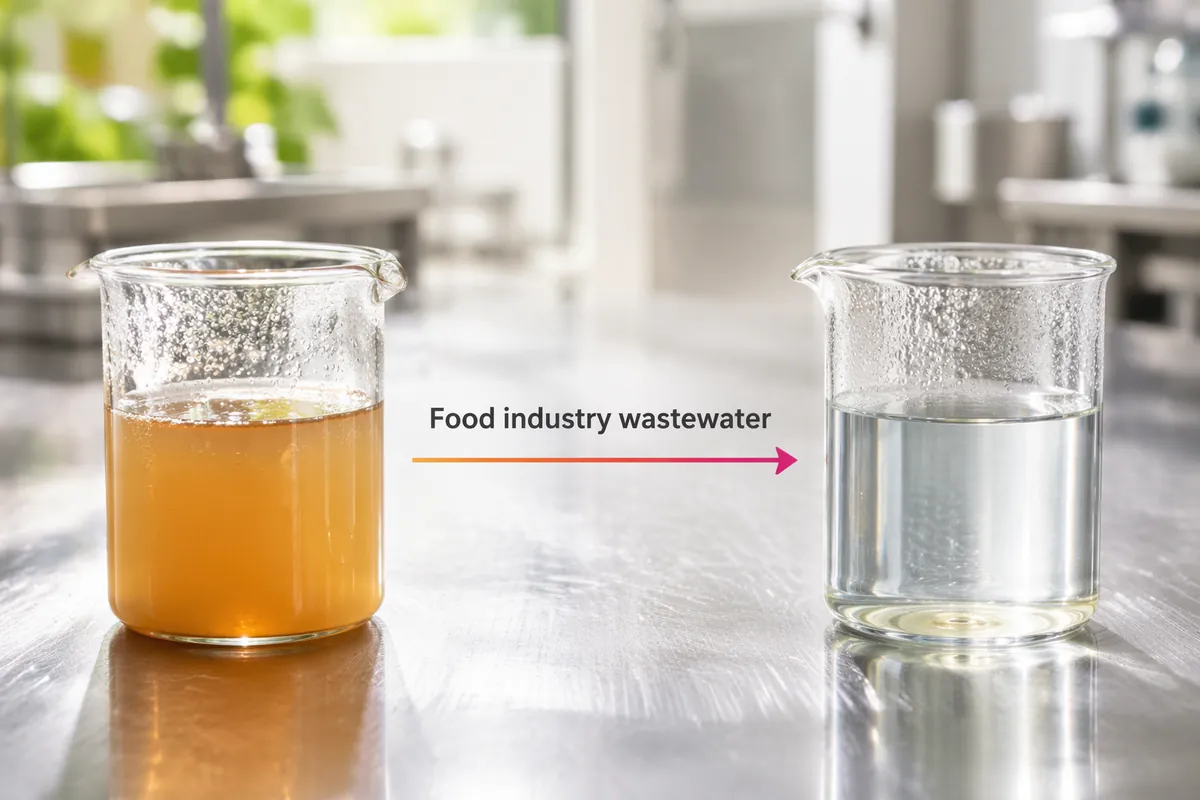
Food and beverage wastewater is rarely consistent. A dairy discharge can swing from fat-rich washdown to protein-heavy product loss. Brewery and bakery wastewater can bring starch, sugar, yeast solids, and variable pH. Sauce, snack, and ready-meal plants often add oils, spices, emulsifiers, detergents, and high-strength organic loading.
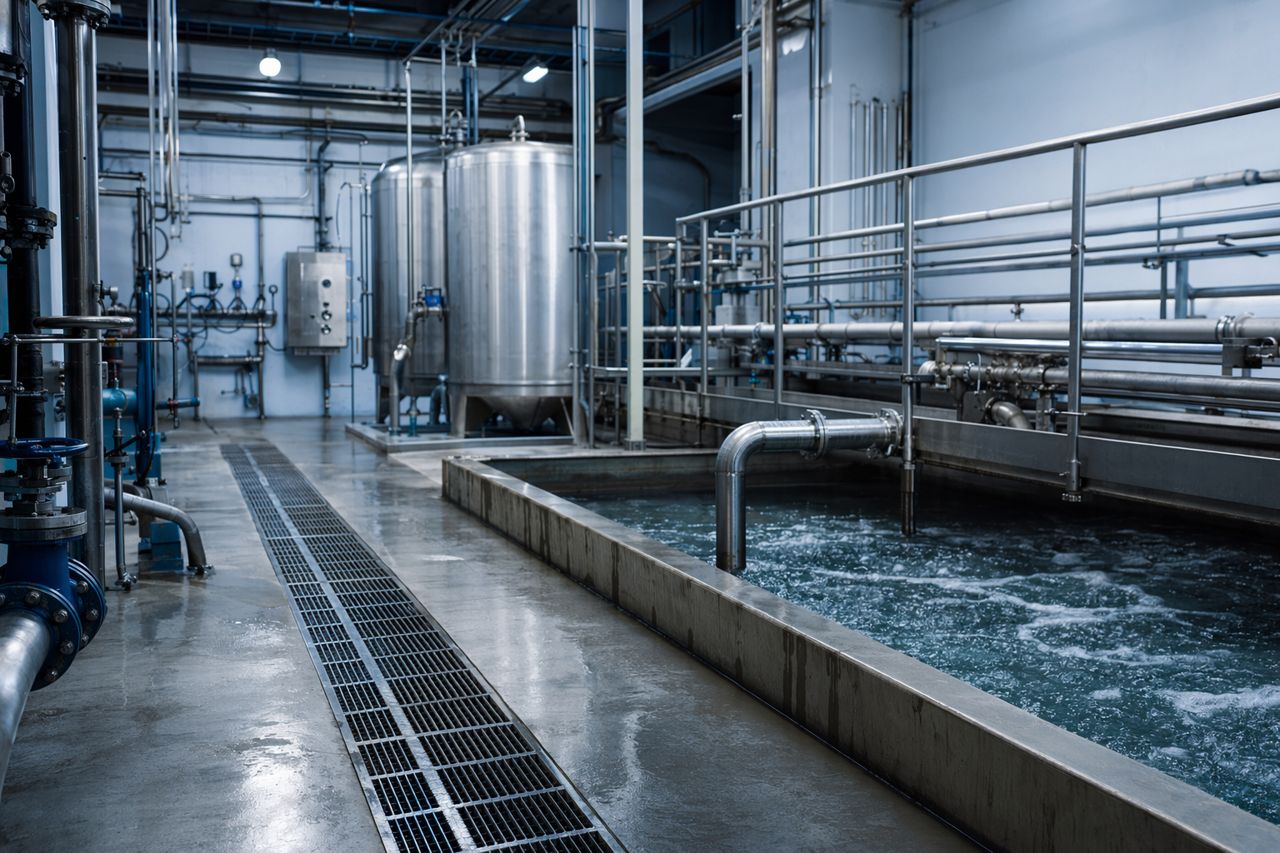
For industrial sites and outsourced treatment operators, bulk enzyme blends for industrial wastewater treatment are a practical way to support upstream breakdown of fats, proteins, starches, and complex food residues before they overload biological treatment, DAF systems, equalization tanks, lift stations, or sludge handling.
This guide is written for the people who buy: plant and operations managers at food and beverage factories, water-treatment chemical distributors who resell to those plants, and service contractors who run effluent plants for several sites. It covers what to evaluate before buying enzyme blends in bulk, how to match the blend to your effluent, and what to send when you ask for a quote.
Bulk and wholesale supply, quoted per order. Send the plant type, the main load (fat, protein, starch, sugar or mixed), the approximate quantity per month, your preferred pack size and the delivery country through the inquiry form. Distributors: tell us how many end sites you supply.
Why food and beverage plants buy enzyme blends in bulk
Enzyme blends are used to support the breakdown of specific organic waste streams that are common in food production. The goal is not to replace a well-designed treatment plant. The goal is to help the plant handle difficult organics more predictably.
Bulk purchasing is typically considered when a site needs:
- More consistent pretreatment for fats, oils, grease, proteins, starches, and sugars
- Support for equalization tanks, drain lines, sumps, lift stations, or biological systems
- A better response to seasonal production changes or campaign-based manufacturing
- Lower operational stress from high-strength wastewater events
- Fewer emergency interventions linked to organic buildup, odor, or unstable loading
- A supplier that can recommend practical blend selection, packaging, and use strategy
Common food and beverage wastewater challenges
Dairy wastewater
Dairy plants often face fat, protein, lactose, and cleaning-cycle variability. Enzyme blends for dairy wastewater are commonly selected to help address milk residues, cream, cheese fines, yogurt, whey-related streams, and CIP-influenced wastewater.
Typical buyer priorities include supporting fat dispersion, improving organic breakdown before biological treatment, and helping reduce buildup in collection areas where dairy solids accumulate.
Brewery and distillery wastewater
Breweries and distilleries can generate wastewater containing soluble organics, yeast solids, spent grain residues, sugars, alcohol-related compounds, and cleaning chemicals. Enzyme support is often evaluated around equalization, solids management, and organic load stability.
Operators usually want a blend that fits variable production schedules and does not create unnecessary complexity for the treatment team.
Bakery, starch, and confectionery wastewater
Bakery and starch-heavy effluent can contain flour, dough, starch slurries, sugars, fillings, oils, and emulsified residues. These streams can thicken, settle, ferment, and create handling problems when not managed well.
Enzyme blends for starch-rich wastewater are selected to help break down carbohydrates and reduce the burden from sticky or viscous organic residues.
Snack, sauce, and ready-meal wastewater
Prepared food plants may discharge fats, oils, proteins, starches, sauces, spices, vegetable residues, and emulsified waste. The wastewater profile can shift with recipes and production lines.
For these sites, a broad enzyme blend is often more useful than a narrow single-function material, especially when the plant runs multiple product types.
What enzyme functions matter most
Food and beverage wastewater usually requires more than one enzyme type. The best blend depends on the waste profile, treatment process, and operating constraints.
Lipase support for fats, oils, and grease
Lipase-focused functionality helps target fats, oils, grease, and fat-rich residues from dairy, meat, sauce, snack, and ready-meal production. Buyers often evaluate lipase-containing blends when they see grease accumulation, floating scum, or fat-related loading problems.
Protease support for proteins
Protease functionality helps address protein residues from dairy, meat, plant protein, sauces, and prepared foods. Protein-rich wastewater can contribute to odor, solids, and high organic strength when left untreated.
Amylase support for starches
Amylase functionality is important for bakeries, starch processors, breweries, confectionery plants, and ready-meal manufacturers. It helps target starch-heavy residues that can become viscous, sticky, or difficult to move through the system.
Cellulase and hemicellulase support for plant residues
Vegetable processing, fruit preparation, brewing adjuncts, and plant-based food production can introduce fibrous residues. Enzyme blends may include functionality designed to support the breakdown of plant-derived solids.
Liquid or powder: which bulk format is right?
Both liquid and powder enzyme blends can work in industrial wastewater applications. The right format depends on how your team stores, handles, and applies the product.
Bulk liquid blends
Liquid blends are often preferred when a site wants simple metering, automated dosing, or fast dispersion into wastewater. They can be practical for continuous or scheduled addition into equalization tanks, wet wells, or process drains.
Bulk powder blends
Powder blends can be useful when storage space, transport efficiency, or longer inventory planning matters. They may require a make-down step or controlled addition method, depending on the application point.
What to ask before selecting a format
Before choosing liquid or powder, confirm:
- Where the enzyme will be added
- Whether the site needs manual or automated feed
- Available storage conditions
- Typical wastewater temperature range
- Exposure to cleaners, sanitizers, or extreme pH events
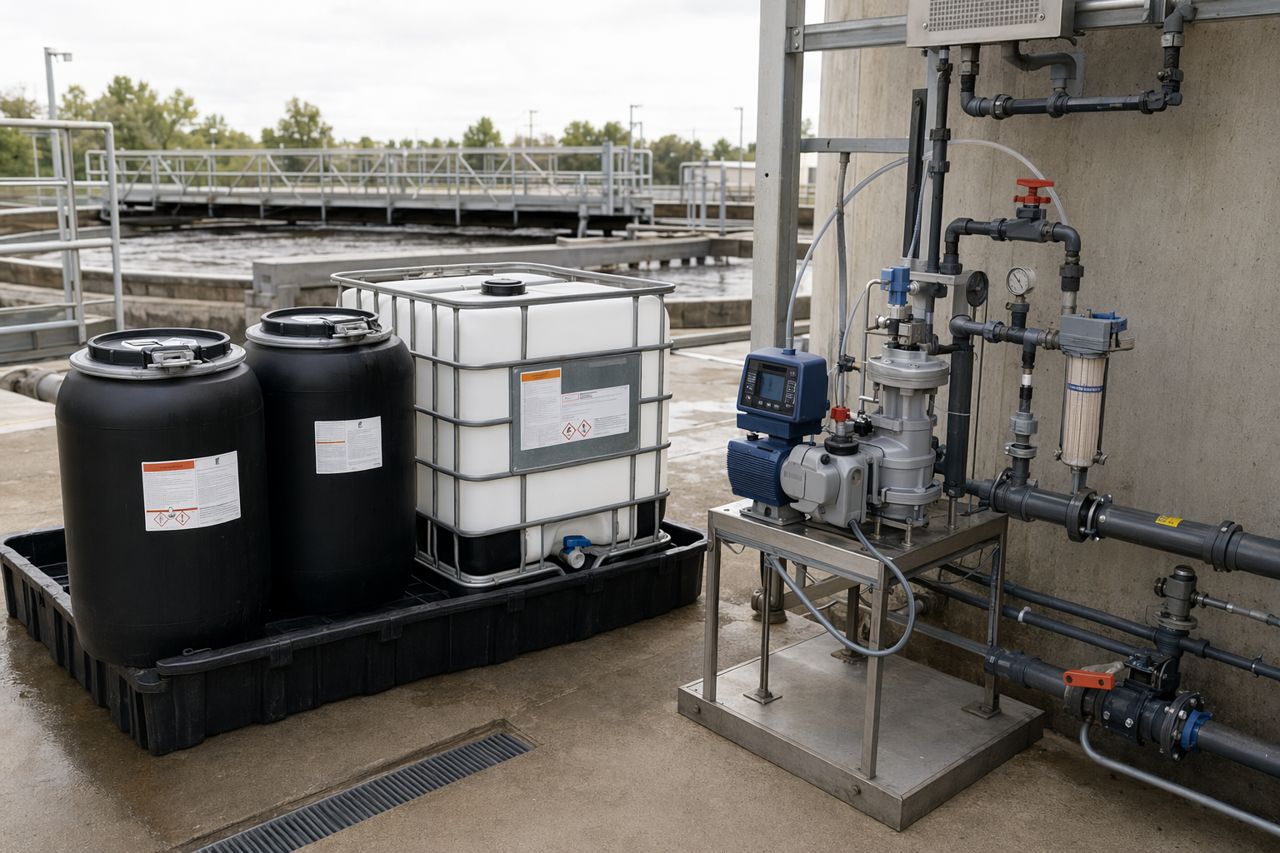
- Packaging preference such as pails, drums, totes, bags, or bulk supply
- Operator time available for handling and preparation
How to evaluate a bulk enzyme supplier
A wastewater enzyme supplier should do more than offer a catalog item. Food and beverage wastewater is site-specific, and the wrong blend can waste time, budget, and operator confidence.
Look for a supplier that can help you define:
- The main organic load drivers in your wastewater
- Whether your issue is fat, protein, starch, fiber, or mixed residues
- The best addition point in the plant
- Whether a broad blend or targeted blend is more appropriate
- Bulk packaging that fits your operating model
- Compatibility considerations for pH, temperature, sanitizers, and process chemicals
- A sensible trial plan with measurable plant-level outcomes
Information to provide when requesting a quote
A stronger quote starts with better application details. You do not need a perfect technical file, but the following information helps narrow the recommendation:
- Facility type, such as dairy, brewery, bakery, snack, sauce, starch, or ready-meal plant
- Main wastewater concerns, such as grease, odor, solids, foaming, viscosity, load swings, or buildup
- Current treatment process, such as screening, DAF, equalization, aerobic, anaerobic, MBR, or outsourced treatment
- Approximate wastewater flow range
- Production schedule and cleaning cycles
- Known pH and temperature range
- Current chemical program, if any
- Preferred product format and packaging
- Target outcome, such as smoother operation, pretreatment support, reduced organic buildup, or improved handling stability
Where enzyme blends are commonly applied
Food and beverage wastewater plants may use enzyme blends at several points, depending on the goal.
Common application points include:
- Floor drains and collection lines where food residues accumulate
- Sumps and lift stations with grease or solids buildup
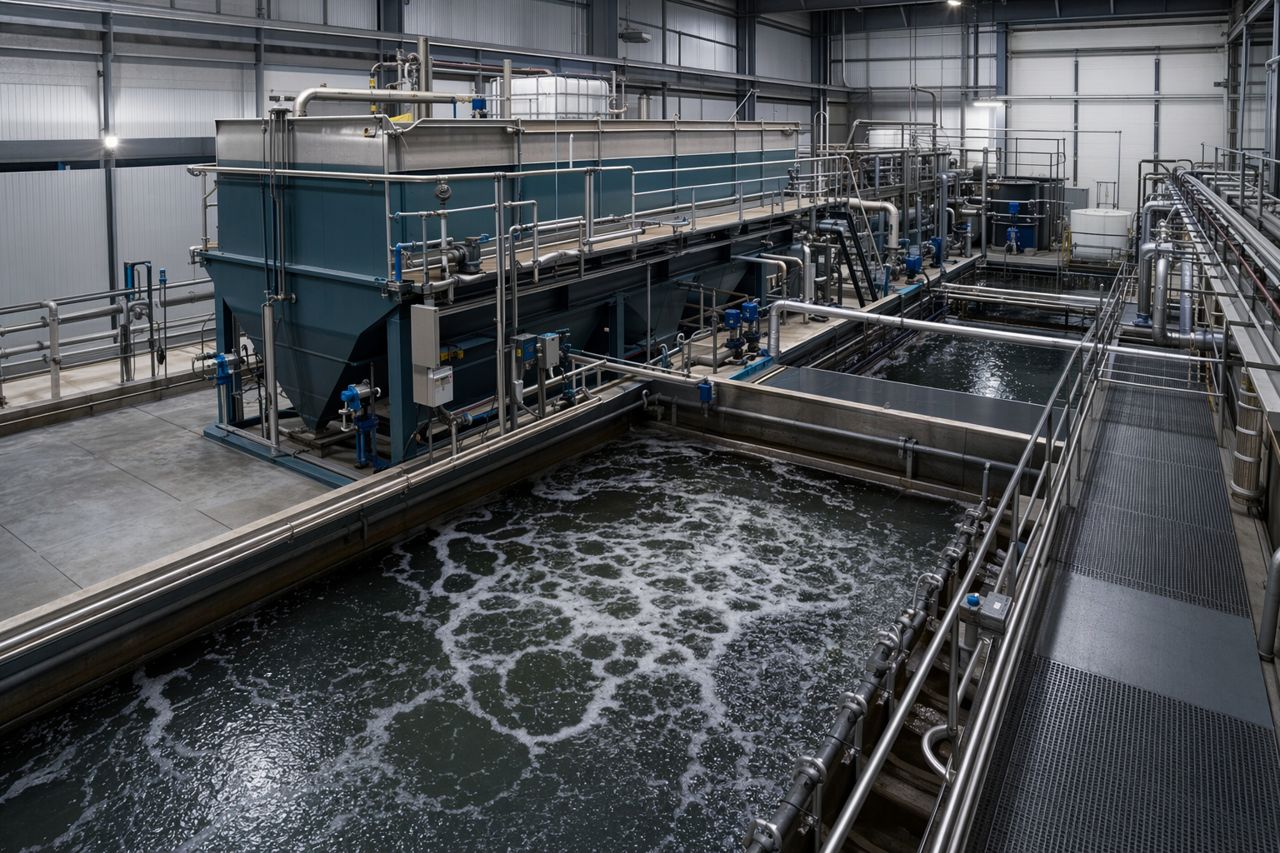
- Equalization tanks before primary treatment
- DAF feed zones where upstream breakdown may improve wastewater handling
- Biological treatment systems that receive variable food production loads
- Sludge handling areas where organic residues create odor or processing issues
The best point of addition should be chosen based on contact time, mixing, wastewater chemistry, and the specific operating problem.
What results should buyers track?
Enzyme programs should be evaluated by practical plant outcomes, not marketing promises. Useful indicators may include:
- Grease or organic buildup trends in drains, sumps, and tanks
- Odor complaints or odor intensity around collection areas
- Stability of influent loading to treatment
- DAF operation and sludge characteristics
- Settling behavior and solids handling observations
- Frequency of manual cleaning or emergency response
- Operator feedback on ease of use
- Overall wastewater treatment consistency during production changes
A good trial plan defines the baseline first, then compares real operating conditions over a meaningful period.
Buying in bulk: commercial questions to ask
For procurement teams, the right enzyme blend also has to work commercially. Before placing a bulk order, confirm:
- Minimum order quantity and lead time
- Available packaging formats
- Shelf-life expectations and storage requirements
- Documentation supplied with the product
- Whether the blend can be adjusted for recurring site needs
- Support available during startup and troubleshooting
- Reorder planning for continuous plant operation
Request a quote for bulk wastewater enzyme blends
If your plant treats food or beverage effluent, our team can help match the right enzyme blend to your wastewater profile, treatment process, and bulk purchasing requirements.
Use the on-site form to share your facility type, wastewater concerns, preferred format, and expected purchasing volume. We will review the application and respond with a practical quote recommendation.
Ready to compare options? Request a quote for bulk enzyme blends: plant type, main load, quantity per month, pack size and delivery country are enough to start.