Enzyme Programs for BOD and COD Shock Loads
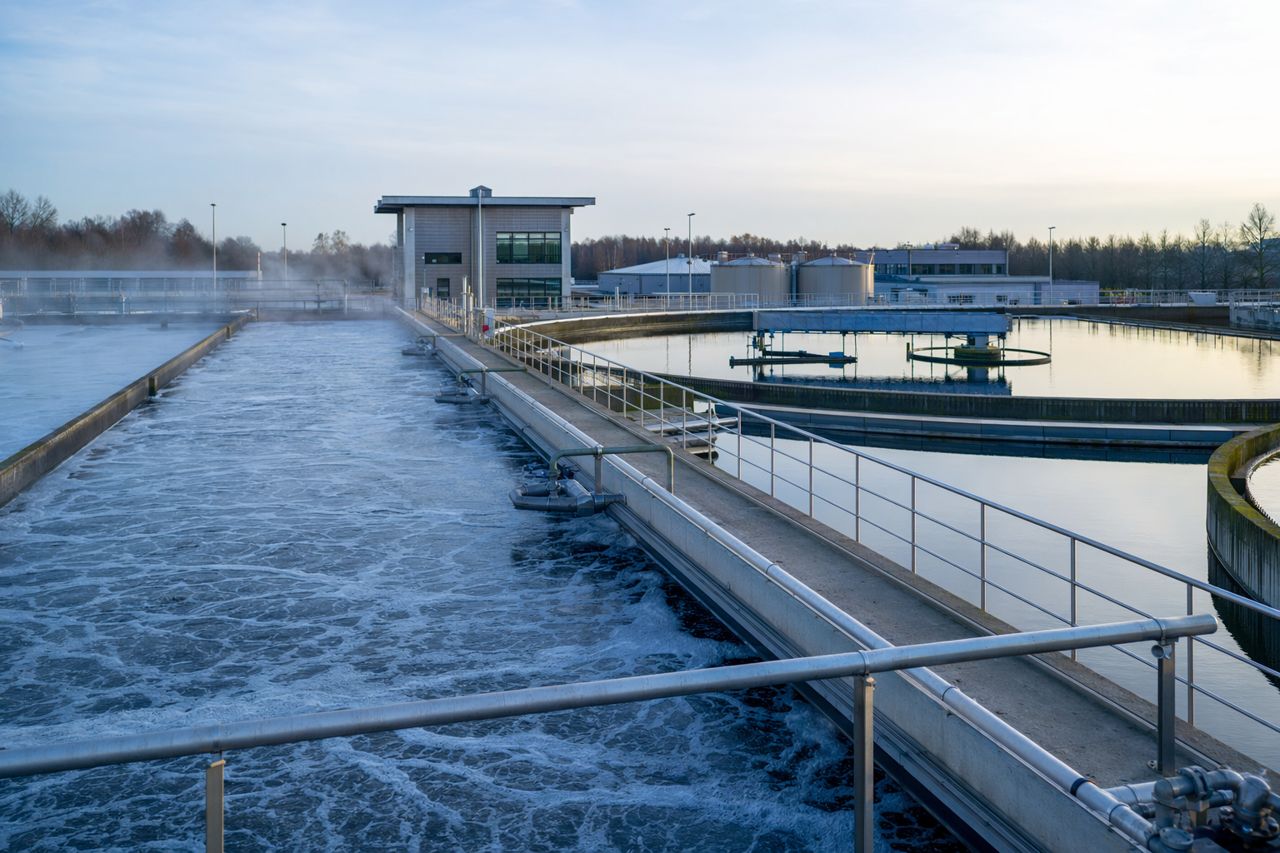
Industrial wastewater plants do not always receive a steady influent. Production changeovers, seasonal campaigns, washdowns, spill events, and high-strength process streams can push organic loading beyond the comfort zone of downstream biology.
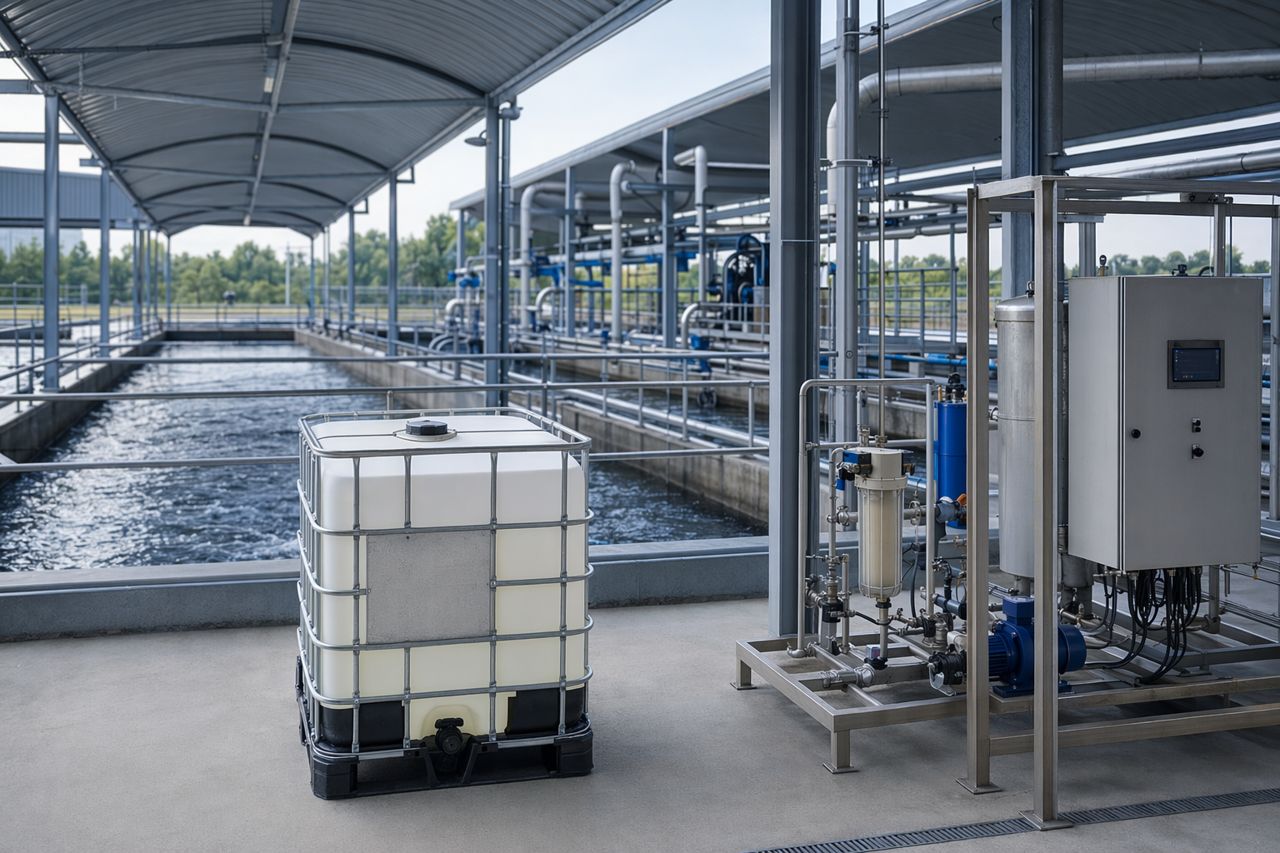
Our bulk enzyme blends for industrial wastewater treatment are built for plants that need a practical operating tool for BOD and COD shock loads before biological treatment. We help you match the right blend format, feed point, and adjustment plan to your wastewater profile and plant routine.
Built for high-strength organic swings
When organic loading changes faster than the biological system can adapt, plants may see:
- Rising biochemical oxygen demand and chemical oxygen demand pressure
- Increased aeration demand
- Grease, fat, starch, protein, or carbohydrate accumulation
- Odor formation in upstream areas
- Foaming or inconsistent settling behavior
- More operator attention during production peaks
- Greater risk of permit stress during unstable periods
An enzyme program is not a substitute for sound process control. It is an upstream support tool designed to help break complex organic materials into smaller, more biologically accessible fractions before they reach the core treatment stage.
Where the program fits
These programs are typically considered for industrial plants with variable or high-strength organic influent, including:
- Food and beverage processing wastewater
- Rendering and meat processing wastewater
- Dairy, bakery, brewery, and fermentation wastewater
- Prepared foods and ingredient manufacturing wastewater
- Pulp-adjacent or fiber-rich industrial wastewater
- Mixed industrial parks with changing organic profiles
- Facilities with equalization limits or recurring campaign peaks
The goal is straightforward: improve the plant's ability to absorb organic load swings with less disruption to normal operation.
What the enzyme blends target
Program design depends on the incoming waste characteristics. Bulk blends may be configured to support the breakdown of common industrial organics such as:
- Fats, oils, and grease
- Proteins and peptides
- Starches and cooked carbohydrates
- Cellulosic or fiber-rich residues
- Complex food solids
- Surfactant-associated organic soils
- Mixed process residues from cleaning cycles
We focus on compatibility with your process conditions, not generic catalog matching. Temperature range, pH window, retention time, feed location, organic profile, and operational priorities all matter.
Practical buyer value for treatment plants
A well-scoped enzyme program can help operations and procurement teams address the business side of wastewater treatment:
- More predictable response to organic peaks: Support upstream breakdown during known high-load windows.
- Better use of existing infrastructure: Add a dosing program without major capital equipment changes in many plants.
- Bulk supply planning: Align packaging, delivery frequency, and inventory levels with plant usage.
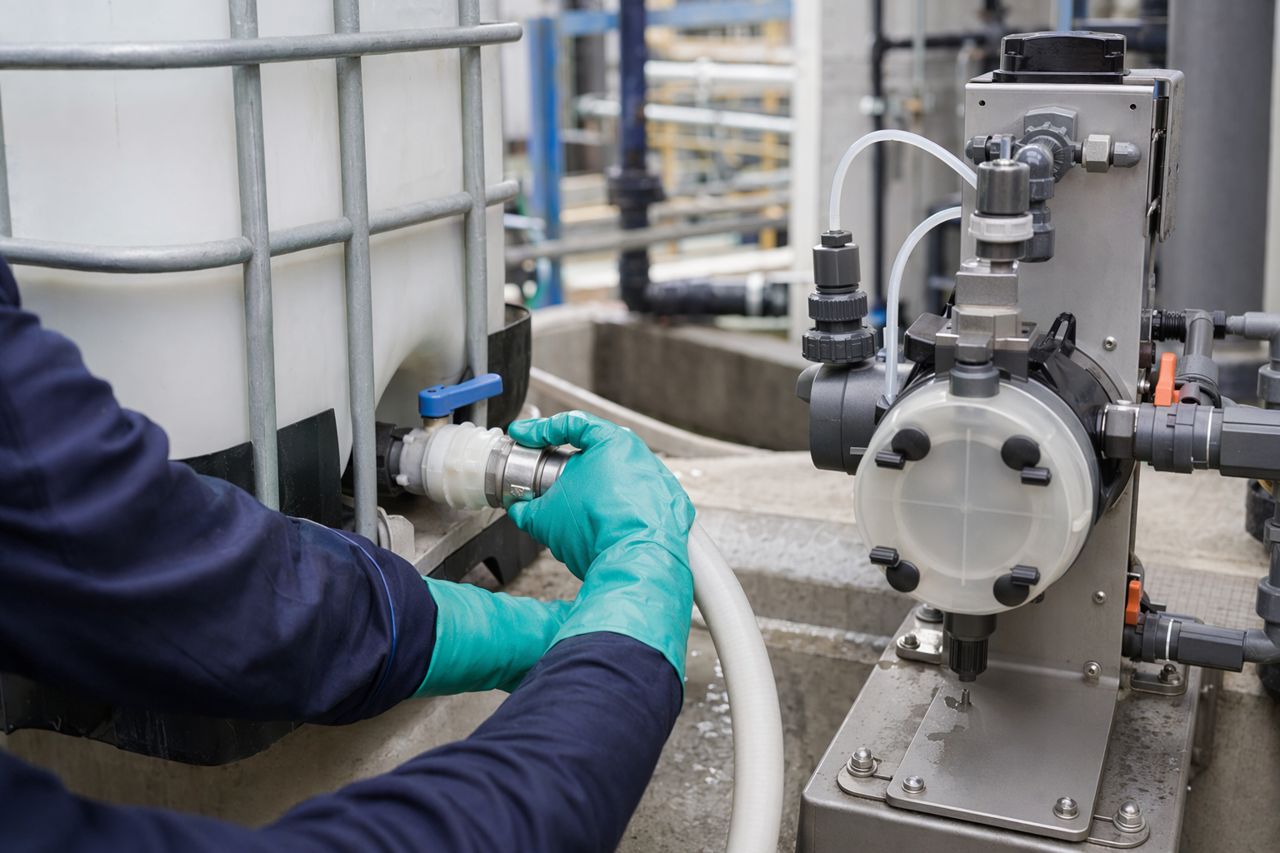
- Operator-friendly implementation: Build a feed plan around existing tanks, transfer points, or equalization areas where appropriate.
- Technical documentation: Support internal approvals with product handling guidance, batch traceability, and plant-specific recommendations.
- Quote clarity: Scope the blend, volume, packaging, and service expectations before purchase commitments.
How we scope your program
1. Review the wastewater profile
We start with the practical details: influent source, typical and peak organic loading, known problem periods, wastewater temperature, pH range, equalization capacity, hydraulic flow pattern, and the current biological treatment setup.
2. Identify the load pattern
Not every plant needs the same approach. Some facilities need continuous support. Others need a campaign-based program for harvest seasons, product runs, sanitation cycles, or recurring production changeovers.
3. Select a bulk blend and format
We recommend a blend designed around the dominant organic fraction and the operating conditions of the plant. Bulk packaging options can be discussed based on consumption rate, storage space, and handling preferences.
4. Define feed point and handling routine
The best feed point depends on contact time, mixing, wastewater chemistry, and downstream process goals. We help identify practical options that operators can maintain.
5. Support the trial and adjustment period
For new programs, we recommend setting clear observation points before the trial begins. These may include influent pattern, odor conditions, grease behavior, equalization tank condition, aeration stability, settling observations, and routine plant performance indicators.
Why plant teams choose an enzyme program before biology
Biological treatment systems need time to respond. Shock loads compress that time. Enzymes can be applied upstream to begin breaking down complex organic matter before it enters the most sensitive biological stage.
This approach can be especially useful when:
- Production schedules are changing faster than the treatment plant can adapt
- Equalization is undersized or already heavily used
- Organic peaks are predictable but disruptive
- Grease or complex food soils are part of the load
- Operators need a flexible program rather than new capital equipment
- Procurement wants bulk supply with technical support and repeatable documentation
Explainer video
A one-minute faceless explainer video is embedded on this page to show how the program works: organic load swing, upstream dosing, enzyme-assisted breakdown, biological treatment support, and quote scoping. The video uses industrial wastewater visuals, voiceover, and on-screen subtitles without an avatar.
Information to include with your quote request
To help us respond with a useful recommendation, include as much of the following as possible:
- Facility type and industry
- Main sources of wastewater
- Typical and peak flow pattern
- Known BOD and COD shock load periods
- Dominant organics such as grease, protein, starch, sugars, or fiber
- Wastewater temperature and pH range
- Current treatment process overview
- Existing equalization or holding capacity
- Preferred packaging or bulk handling constraints
- Target start date or trial window
Request a quote
If your plant is managing high-strength organic load swings before biological treatment, we can help scope a bulk enzyme blend program around your wastewater profile and operating routine.
Request a quote using the on-site form
Our team will review your application details and respond with a practical program recommendation, packaging options, and next steps for procurement.